
5 ways to encourage employees to use their paid time off

By Laurie Frees
Marketing
Enews
Read Time: 3 minutes
Posted: November 19, 2024
As important as paid time off (PTO) is for many people, 45% of Canadian workers take less PTO than is offered by their employer. Among the reasons for this is that workplace culture and workload pressures often make employees feel like they can’t or shouldn’t take time away. But getting away has many benefits for employees, including improved productivity, reduced stress and increased motivation. PTO is offered for a reason and employees should make the most of it. Here are five ways to encourage workers to use their hard-earned time away.
Keep the process simple
CComplicated processes and permission structures can deter employees from requesting time off. Streamline the request-and-approve procedure so employees can submit requests and find out if they’ve been given the OK in an easy, timely manner. Evaluate your process by running a short survey and asking employees for feedback. Offer small gifts, like sleep masks and amenity kits, for participation.

Develop a flexible policy
Ensure your workplace offers a variety of options that fit employees’ needs and stages in life. From paid vacation to personal days to family leave, the more support you provide, the more appealing your organization will be for current and prospective employees. Another possibility is workday flexibility—perhaps employees are expected to work a certain number of hours per day, week or month, but schedules can adjust to fit each person’s situation. Remind employees about taking PTO, especially before holidays, during summer and around other events people might consider taking time off.
Watch for obstacles
If your employees land within that 45% of Canadian workers who don’t use all their PTO, find out why. Ask employees—in a group setting, during annual reviews or via an anonymous survey—about the barriers preventing them from using their time off. Maybe schedules can be adjusted if certain projects land at times of the year when workers prefer time off, like in the summer or around the holidays. If workplace culture or workload appear to be common reasons, there may need to be some changes made.
Provide balance reminders
Explore ways to make employees aware of their leave balances, especially late in the year. Perhaps a system can be put in place where workers get a weekly or monthly alert about their unused PTO. Monthly team meetings may be another good time to provide updates. These notifications are especially important if your organization doesn’t allow PTO to carry over at the end of the year.
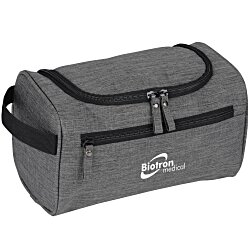
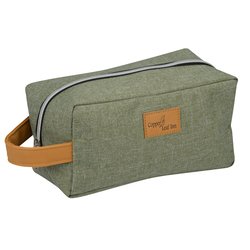
When you do hear a team member has planned a vacation, give them a travel gift bag. Include a tech bag and toiletry bag. Because some people prefer a staycation, have a second bag ready with comfort items, like slippers and a hot/cold eye mask to encourage relaxation.


Lead by example
Managers are more likely to not use all their PTO than other employees. When employees see leaders taking advantage of their available time off, they’re likely to feel more comfortable doing so too. If they see leaders frequently answering emails, attending meetings or tackling other work while they’re supposed to be relaxing, it can send the wrong message about expectations.
Opportunities for R&R are offered for a reason
More than 75% of workers wish their workplace culture placed a strong emphasis on the value of taking regular breaks and utilizing paid time off. To avoid leading your employees into that majority, promote the use of PTO with a simple request process, have flexible policies, offer recurring reminders, keep an eye out for obstacles and set a good example. By allowing your employees opportunities to recharge, they’ll be better off—and so will your organization.

Laurie Frees
Laurie Frees is a merchandising category manager at 4imprint who specializes in apparel. With over 25 years of experience in merchandising and product development—plus four years in the promotional products industry—she brings deep expertise in fabric construction and logo application. Laurie manages the product assortment across all apparel categories, including T-shirts, polos, outerwear, dress shirts, sweatshirts and more. Her role includes tracking trends, building supplier partnerships and analyzing data to guide decisions. With a strong focus on products made from sustainable materials, Laurie helps drive innovation in core apparel offerings that customers rely on to showcase their brands.
All marks are the property of 4imprint or their respective owners.
Dujay, John. “Are people taking enough time away from work?.” Canadian HR Reporter, 29 Jan. 2024, hrreporter.com/focus-areas/wellness-mental-health/are-people-taking-enough-time-away-from-work/38320.
“Out of Office Culture Report.” The Harris Poll, May 2024, theharrispoll.com/wp-content/uploads/2024/05/OOO-Culture-Report-May-2023.pdf.
“What is PTO and How Does it Benefit Employees?.” Justworks, 17 Aug. 2023, justworks.com/blog/what-is-pto-and-how-does-it-benefit-employees.